


If you’re a lover of authentic Japanese flavors or Asian gourmet cuisine, Takwan Taro is a product you must explore. Known for its unique texture, vibrant color, and tangy-sweet flavor, Takwan Taro is a specialty pickled radish that has become an essential ingredient in sushi, bento boxes, and traditional Japanese meals. In Pakistan, where global cuisine is rapidly gaining popularity, Takwan Taro is now easily available for home chefs, restaurants, and food enthusiasts who wish to recreate real Japanese flavors in their kitchens.
In this detailed product guide, we’ll explore the Takwan Taro price in Pakistan, its origins, uses, nutritional benefits, and everything else you need to know before buying.


Among Japan’s most prized seafood delicacies, Hamachi — also known as Yellowtail — stands as a symbol of freshness, flavor, and culinary sophistication. Its buttery texture and clean, mild taste have made it a staple in high-end sushi bars and fine dining restaurants worldwide.
In recent years, demand for Hamachi fish fillets in Pakistan has grown steadily as local chefs, seafood lovers, and health-conscious consumers explore authentic Japanese ingredients. Imported directly from cold waters, this fish is recognized for its quality, nutrition, and versatility.
This detailed guide explains everything you need to know about the Hamachi Fish Fillet price in Pakistan, what makes it so special, how to store and prepare it, and why it’s worth adding to your kitchen or restaurant menu.

Among all premium beef cuts, Australian Tenderloin stands as the ultimate symbol of luxury dining. Known for its exceptional tenderness, lean profile, and delicate flavor, this cut has earned a global reputation among chefs and steak lovers alike.
In Pakistan, the demand for imported Australian beef has risen dramatically in recent years, as consumers seek restaurant-quality meat for home cooking and high-end dining experiences. If you’re looking to understand the Australian Tenderloin price in Pakistan, the factors that influence its cost, and where to buy authentic, chilled tenderloin from trusted suppliers, this guide will give you all the details you need.

If you are a fan of creamy, rich, and nutrient-packed avocados, you’ve probably noticed the rising trend of Mexican avocados in Pakistan. Whether you’re a health enthusiast, chef, or smoothie lover, avocados have become a staple superfood in kitchens across Karachi, Lahore, and Islamabad. But the question most buyers ask is — what is the current Mexican avocado price in Pakistan, and where can you get the freshest avocados online?
At Qemti.pk, we bring premium-grade imported Mexican avocados directly to your doorstep, ensuring freshness, authentic taste, and unbeatable value.

Salmon is one of the most nutritious, delicious, and luxurious fish available in Pakistan today. Known for its rich flavor, soft texture, and exceptional health benefits, salmon has become a popular choice among seafood lovers, fitness enthusiasts, and families looking for premium quality protein.
At Qemti.pk, we bring fresh, premium-quality salmon fish directly to your doorstep anywhere in Pakistan — including Islamabad, Lahore, Karachi, Rawalpindi, and beyond — at the most competitive price range of ₨ 5,000 to ₨ 6,500 per kilogram, depending on the cut and type.
If you’re searching for “salmon price in Pakistan”, or wondering where to buy Norwegian, Atlantic, or smoked salmon, this complete guide by Qemti.pk will help you understand everything you need to know before placing your order.

PakJourney Tea – A 100% Natural and Organic Experience of Tea Across Pakistan
In a world increasingly dominated by artificial flavors and over-processed food, finding something that is both natural and healthy is becoming a rare treat. Enter PakJourney Tea – a revitalizing beverage crafted with care, love, and the deep traditions of tea culture across Pakistan.
This is not just any tea. PakJourney Tea brings you the purest, freshest, and most organic cup of tea you’ll ever taste. From the rich plantations of the northern valleys to the aromatic herbs sourced from Pakistan’s pristine highlands, every leaf that goes into our tea is 100% natural – grown without chemicals, harvested without machines, and processed without artificial additives.
Let us take you on a journey of health, tradition, and taste – a journey through tea across Pakistan.

What is Honey and Why It Matters
Honey (شہد) is a natural sweetener produced by honeybees from flower nectar, rich in healing properties and cultural significance. In Pakistan, honey isn’t just food—it’s a Sunnah, a natural medicine, and a symbol of purity and wellness.
With rising demand for chemical-free and raw honey, it’s important to know where your honey comes from — and PakJourney ensures it’s sourced directly from beekeepers in the northern mountains and wild forests of Pakistan.

What is Dried Fig (Anjeer)?
Anjeer, or dried fig, is a naturally sweet and chewy dry fruit made by drying the fruit of the fig tree. Packed with nutrients, fiber, and natural sugars, dried anjeer has been used in traditional medicine and daily diets in Pakistan and the subcontinent for centuries.
Its soft, honey-like taste and powerful health benefits make it one of the most valuable dry fruits for anyone seeking natural wellness.
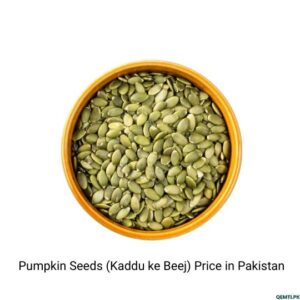
What Are Pumpkin Seeds (Kaddu ke Beej)?
Pumpkin seeds, locally known as Kaddu ke Beej, are small, flat, green seeds that come from the inside of pumpkins. Though often discarded, they are actually one of the most nutritious and protein-rich superfoods available — now becoming increasingly popular among fitness enthusiasts, diet-conscious individuals, and wellness experts in Pakistan.
Whether eaten raw, roasted, or added to recipes, pumpkin seeds are a powerhouse of plant-based nutrition.
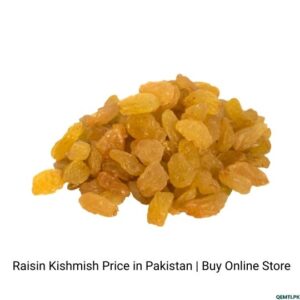
What is Raisin (Kishmish)?
Raisin, locally known as Kishmish, is one of the most popular and affordable dry fruits in Pakistan. It’s made by sun-drying or shade-drying grapes, preserving their sweetness and nutritional value.
Kishmish is used widely in daily snacking, traditional cooking, herbal medicine, and even weight gain and brain-boosting diets. Its soft texture and natural sugar content make it an ideal alternative to processed sweets.

What are Dried Strawberries?
Dried strawberries are sweet, chewy, and nutrient-rich slices of fresh strawberries that have been gently dehydrated to preserve their taste, color, and nutrients. Unlike candy or sugary snacks, dried strawberries are a healthy and delicious alternative for people of all ages.
In Pakistan, they are quickly becoming a popular choice among health-conscious consumers, parents, fitness lovers, and those who crave fruity snacks without added preservatives.
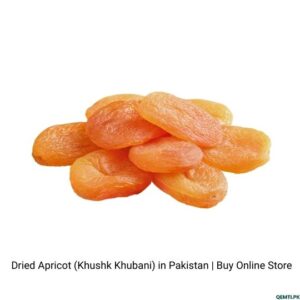
What is Dried Apricot (Khushk Khubani)?
Dried Apricot, locally known as Khushk Khubani, is one of the most nutritious and traditional dry fruits in Pakistan, especially loved in the Northern Areas such as Gilgit-Baltistan (GB), Skardu, and Hunza. These apricots are naturally sun-dried without preservatives, retaining their sweetness, fiber, and golden-orange color.
Unlike imported, sugar-soaked dried fruits, Pakistani khubani is 100% natural, harvested and dried by mountain farmers who have passed down the tradition for generations.
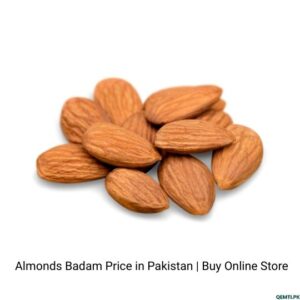
What are Almonds (Badam)?
Almonds, known locally as Badam, are among the most loved and nutritious dry fruits in Pakistan. Famous for their rich taste and countless health benefits, almonds are used for everything — from daily snacking to traditional desserts, herbal remedies, and brain-boosting tonics.
In Pakistani culture, Badam is considered a symbol of intelligence, energy, and luxury, especially during winters, Ramadan, weddings, and exam seasons.
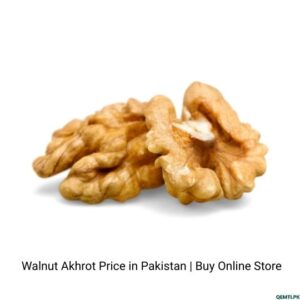
What is Walnut (Akhrot)?
Walnut, locally known as Akhrot, is one of the most nutritious and commonly consumed dry fruits in Pakistan, especially during the winter season. Recognized by its distinctive brain-like shape and hard shell, walnuts are packed with omega-3 fatty acids, antioxidants, and protein — making them a superfood for brain and heart health.
In Pakistan, walnuts are not just a dry fruit — they’re a part of tradition, served with dried figs, almonds, and dates during gatherings and celebrations.
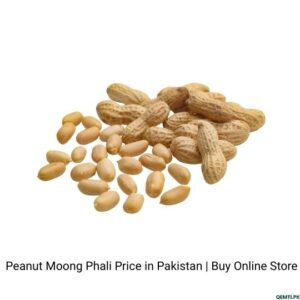
What is Peanut (Moong Phali)?
Peanut, locally known as Moong Phali, is one of the most widely consumed and affordable dry fruits in Pakistan. Packed with protein, fiber, and healthy fats, peanuts are a favorite winter snack, enjoyed by all age groups.
Whether roasted, raw, salted, or used in chutneys, sweets, and street foods — peanuts are an integral part of Pakistan’s culinary culture.
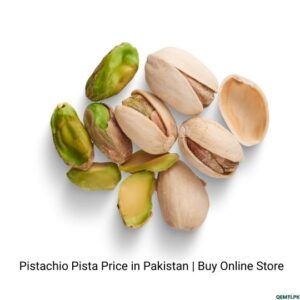
What is Pistachio (Pista)?
Pistachio, known locally in Pakistan as Pista, is a luxury dry fruit cherished for its sweet, nutty flavor and vibrant green color. Packed with nutrition, it’s one of the healthiest snacks you can enjoy.
Whether eaten raw, roasted, or used in desserts, Pista is a symbol of premium quality in Pakistani households. From winter evenings to festive feasts, Pista is a go-to dry fruit for health-conscious food lovers.
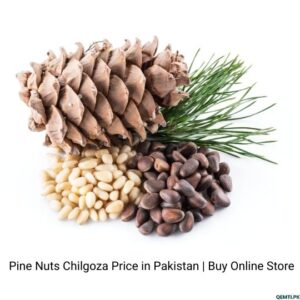
What is Pine Nuts (Chilgoza)?
Chilgoza, also known as Pine Nuts, is a highly valued and nutritious dry fruit harvested from the pine trees growing in the high-altitude regions of Pakistan and Afghanistan. Known for its buttery texture and rich, nutty flavor, Chilgoza is not only a winter delicacy but also a superfood packed with essential nutrients.
In Pakistan, it is considered a luxury dry fruit, especially popular during the winter season, weddings, Eid, and festive gatherings.

What is Cashew (Kaju)?
Cashew, locally known as Kaju, is a delicious and nutrient-rich dry fruit widely loved across Pakistan. Technically, it's not a nut but a seed that grows outside the cashew apple, primarily in tropical countries such as India, Vietnam, Ivory Coast, and Brazil.
In Pakistan, cashews are a symbol of premium quality dry fruits, often used in desserts, special recipes, and as healthy snacks.

What is Shilajit?
Shilajit is a powerful, tar-like natural substance that oozes out from the cracks of high-altitude rocks in the Himalayas, Karakoram, and Gilgit-Baltistan (GB) mountain ranges. Known for centuries in traditional medicine, Shilajit is rich in minerals, fulvic acid, and humic acid, making it one of the most potent rejuvenating substances in the world.
In Pakistan, Shilajit is commonly referred to as Salajeet, and it has long been part of local herbal and Unani medicine.